Buy redfile.eu ?
We are moving the project
redfile.eu .
Are you interested in purchasing the domain
redfile.eu ?
domain@kv-gmbh.de · 0541-91531010
Buy redfile.eu ?
What is DNS?
DNS, or Domain Name System, is a system that translates domain names into IP addresses. It acts as a phone book for the internet, allowing users to access websites and other online services using easy-to-remember domain names instead of complex numerical IP addresses. DNS plays a crucial role in the functioning of the internet by facilitating the communication between devices and servers. **
Which DNS server?
The DNS server is a crucial component of the internet infrastructure that translates domain names into IP addresses. There are different types of DNS servers, including authoritative DNS servers, recursive DNS servers, and public DNS servers like Google DNS or OpenDNS. The choice of DNS server depends on factors such as speed, security, and reliability, so it is important to select a DNS server that meets your specific needs. **

Similar search terms for DNS
Top-Angebote
Products related to DNS:
-
GDFStudio - Benjamin Metal Folding Storage Cabinet with Secure Locking Doors and Flexible OrganizationSecure Locking Doors: Designed with robust handle locks, this cabinet offers enhanced security to protect valuable documents, tools, or supplies in offices, schools, or garages while remaining easy to operate.211,90 $*Shipping: 0,00 $Secure redirect to the provider
-
VIVIADORE Drawer Lateral Filing Cabinet with Lock,Wide Metal Storage Cabinet with Secure DrawersOptimize your workspace organization with this widened drawer file cabinet, designed to provide efficient storage, easy file management, and enhanced document security.263,50 $*Shipping: 0,00 $Secure redirect to the provider
-
OEM Wood File Cabinet, Tall Filing Storage Printer Stand for A4/Letter/Legal Size, Home Office Document Accent CabinetA reliable file cabinet is the backbone of an organized workspace—where documents find their place, clutter fades away, and work flows with ease.238,49 $*Shipping: 0,00 $Secure redirect to the provider
-
KOWO Wooden 2-Drawer Filing Cabinet with Lock Letter Size Office Storage, Locking Document Organizer for Home or WorkplaceAre you always troubled with not being able to find documents and materials and the mess of piles of folders? Do you often need help finding what you want? It's time to have a file cabinet!123,19 $*Shipping: 0,00 $Secure redirect to the provider


-
What is the significance of primary DNS and secondary DNS?
Primary DNS and secondary DNS are both crucial components of a domain name system (DNS) setup. The primary DNS server is the first point of contact for translating domain names into IP addresses, and it is responsible for hosting the authoritative DNS records for a domain. The secondary DNS server acts as a backup to the primary server, ensuring redundancy and improving the reliability and availability of the DNS service. Having both primary and secondary DNS servers helps to distribute the DNS query load, provide failover support, and prevent downtime in case the primary server fails. **
-
What is the meaning of primary DNS and secondary DNS?
Primary DNS and secondary DNS are both part of the Domain Name System, which is responsible for translating domain names into IP addresses. The primary DNS server is the first point of contact for a device trying to access a website or service, and it is responsible for resolving domain names into IP addresses. The secondary DNS server acts as a backup to the primary server, and it is used if the primary server is unavailable or experiencing issues. Having both primary and secondary DNS servers helps to ensure reliable and redundant access to websites and services on the internet. **
-
What is a DNS conflict?
A DNS conflict occurs when there are conflicting or incorrect DNS (Domain Name System) records for a domain. This can lead to issues such as websites not loading correctly, emails not being delivered, or other network-related problems. DNS conflicts can arise from misconfigured DNS settings, outdated records, or changes made to DNS records that have not propagated correctly. Resolving DNS conflicts typically involves identifying and correcting the conflicting records to ensure proper domain resolution. **
-
What is a private DNS?
A private DNS is a Domain Name System (DNS) server that is used exclusively within a private network, such as a company's internal network. It is used to resolve domain names to IP addresses within the private network, allowing devices within the network to communicate with each other using domain names. Private DNS servers are not accessible from the public internet, providing an added layer of security and privacy for the internal network. Organizations can customize and manage their private DNS servers to meet their specific needs and requirements. **


How does DNS forwarding work?
DNS forwarding works by allowing a DNS server to forward DNS queries to another DNS server if it is unable to resolve the query itself. When a DNS server receives a query for a domain it is not authoritative for, it can forward the query to another DNS server that may have the necessary information. This process helps to improve DNS resolution by allowing multiple DNS servers to work together to resolve queries and provide accurate and up-to-date information to clients. DNS forwarding can be configured at the DNS server level to specify which DNS servers to forward queries to. **
Does DNS break in heat?
DNS (Domain Name System) itself does not break in heat. However, the physical infrastructure that supports DNS, such as servers and networking equipment, can be affected by high temperatures. If these components overheat, they may malfunction or shut down, causing DNS services to be disrupted. It is important for organizations to have proper cooling systems and backup plans in place to prevent DNS outages during periods of high heat. **
Top-Angebote
Products related to DNS:
-
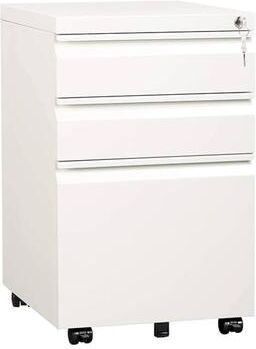
Garvee Document 3-Drawer Mobile Metal Filing Cabinet with Lock, Document Storage Solution, WhiteSpacious 3-Drawer Storage – Deep, roomy drawers hold letter, legal, and A4 documents with adjustable hanging rails. Extra space for office supplies, notebooks, and personal items keeps workspaces neat and productive.129,99 $*Shipping: 0,00 $Secure redirect to the provider
-
Garvee Three-Drawer Metal Filing Storage Cabinet with Lock for Home Office Document Storage, WhiteSecure Locking & Anti-Tilt Design – Reliable locking mechanism secures all drawers for Letter, Legal, A4, and F4 documents. Anti-tilt system locks other drawers when one is fully opened, preventing tipping and ensuring safe use.155,99 $*Shipping: 0,00 $Secure redirect to the provider
-
GDFStudio - Benjamin Metal Folding Storage Cabinet with Secure Locking Doors and Flexible OrganizationSecure Locking Doors: Designed with robust handle locks, this cabinet offers enhanced security to protect valuable documents, tools, or supplies in offices, schools, or garages while remaining easy to operate.211,90 $*Shipping: 0,00 $Secure redirect to the provider
-
VIVIADORE Drawer Lateral Filing Cabinet with Lock,Wide Metal Storage Cabinet with Secure DrawersOptimize your workspace organization with this widened drawer file cabinet, designed to provide efficient storage, easy file management, and enhanced document security.263,50 $*Shipping: 0,00 $Secure redirect to the provider
-
What is DNS?
DNS, or Domain Name System, is a system that translates domain names into IP addresses. It acts as a phone book for the internet, allowing users to access websites and other online services using easy-to-remember domain names instead of complex numerical IP addresses. DNS plays a crucial role in the functioning of the internet by facilitating the communication between devices and servers. **
-
Which DNS server?
The DNS server is a crucial component of the internet infrastructure that translates domain names into IP addresses. There are different types of DNS servers, including authoritative DNS servers, recursive DNS servers, and public DNS servers like Google DNS or OpenDNS. The choice of DNS server depends on factors such as speed, security, and reliability, so it is important to select a DNS server that meets your specific needs. **
-
What is the significance of primary DNS and secondary DNS?
Primary DNS and secondary DNS are both crucial components of a domain name system (DNS) setup. The primary DNS server is the first point of contact for translating domain names into IP addresses, and it is responsible for hosting the authoritative DNS records for a domain. The secondary DNS server acts as a backup to the primary server, ensuring redundancy and improving the reliability and availability of the DNS service. Having both primary and secondary DNS servers helps to distribute the DNS query load, provide failover support, and prevent downtime in case the primary server fails. **
-
What is the meaning of primary DNS and secondary DNS?
Primary DNS and secondary DNS are both part of the Domain Name System, which is responsible for translating domain names into IP addresses. The primary DNS server is the first point of contact for a device trying to access a website or service, and it is responsible for resolving domain names into IP addresses. The secondary DNS server acts as a backup to the primary server, and it is used if the primary server is unavailable or experiencing issues. Having both primary and secondary DNS servers helps to ensure reliable and redundant access to websites and services on the internet. **
Similar search terms for DNS
-
OEM Wood File Cabinet, Tall Filing Storage Printer Stand for A4/Letter/Legal Size, Home Office Document Accent CabinetA reliable file cabinet is the backbone of an organized workspace—where documents find their place, clutter fades away, and work flows with ease.238,49 $*Shipping: 0,00 $Secure redirect to the provider
-
KOWO Wooden 2-Drawer Filing Cabinet with Lock Letter Size Office Storage, Locking Document Organizer for Home or WorkplaceAre you always troubled with not being able to find documents and materials and the mess of piles of folders? Do you often need help finding what you want? It's time to have a file cabinet!123,19 $*Shipping: 0,00 $Secure redirect to the provider
-
VIVIADORE Drawer Lateral Filing Cabinet with Lock,Wide Metal Storage Cabinet with Secure DrawersOptimize your workspace organization with this widened drawer file cabinet, designed to provide efficient storage, easy file management, and enhanced document security.261,11 $*Shipping: 0,00 $Secure redirect to the provider
-
VIVIADORE Drawer Lateral Filing Cabinet with Lock,Wide Metal Storage Cabinet with Secure DrawersOptimize your workspace organization with this widened drawer file cabinet, designed to provide efficient storage, easy file management, and enhanced document security.226,92 $*Shipping: 0,00 $Secure redirect to the provider
-
What is a DNS conflict?
A DNS conflict occurs when there are conflicting or incorrect DNS (Domain Name System) records for a domain. This can lead to issues such as websites not loading correctly, emails not being delivered, or other network-related problems. DNS conflicts can arise from misconfigured DNS settings, outdated records, or changes made to DNS records that have not propagated correctly. Resolving DNS conflicts typically involves identifying and correcting the conflicting records to ensure proper domain resolution. **
-
What is a private DNS?
A private DNS is a Domain Name System (DNS) server that is used exclusively within a private network, such as a company's internal network. It is used to resolve domain names to IP addresses within the private network, allowing devices within the network to communicate with each other using domain names. Private DNS servers are not accessible from the public internet, providing an added layer of security and privacy for the internal network. Organizations can customize and manage their private DNS servers to meet their specific needs and requirements. **
-
How does DNS forwarding work?
DNS forwarding works by allowing a DNS server to forward DNS queries to another DNS server if it is unable to resolve the query itself. When a DNS server receives a query for a domain it is not authoritative for, it can forward the query to another DNS server that may have the necessary information. This process helps to improve DNS resolution by allowing multiple DNS servers to work together to resolve queries and provide accurate and up-to-date information to clients. DNS forwarding can be configured at the DNS server level to specify which DNS servers to forward queries to. **
-
Does DNS break in heat?
DNS (Domain Name System) itself does not break in heat. However, the physical infrastructure that supports DNS, such as servers and networking equipment, can be affected by high temperatures. If these components overheat, they may malfunction or shut down, causing DNS services to be disrupted. It is important for organizations to have proper cooling systems and backup plans in place to prevent DNS outages during periods of high heat. **
* All prices are inclusive of VAT and, if applicable, plus shipping costs. The offer information is based on the details provided by the respective shop and is updated through automated processes. Real-time updates do not occur, so deviations can occur in individual cases. ** Note: Parts of this content were created by AI.