Buy redfile.eu ?
We are moving the project
redfile.eu .
Are you interested in purchasing the domain
redfile.eu ?
domain@kv-gmbh.de · 0541-91531010
Buy redfile.eu ?
What does the archaeologist ask?
The archaeologist asks questions related to the past, such as how people lived, what they ate, what tools they used, and how they interacted with their environment. They also inquire about the significance of artifacts, structures, and other remains found at a site, seeking to understand the cultural, social, and economic aspects of ancient societies. Additionally, archaeologists may ask questions about the chronology of a site, trying to determine when specific events occurred and how they relate to broader historical contexts. **
Can one advance as an archaeologist?
Yes, one can advance as an archaeologist by gaining experience through fieldwork, research, and publications. Advancement opportunities can also come through pursuing higher education such as a master's or doctoral degree in archaeology or a related field. Building a strong network within the archaeological community, attending conferences, and collaborating with other professionals can also help in advancing one's career in archaeology. Additionally, seeking out leadership roles in archaeological projects or organizations can further contribute to career advancement in this field. **

Similar search terms for Archaeologist
Top-Angebote
Products related to Archaeologist:
-
GDFStudio - Benjamin Metal Folding Storage Cabinet with Secure Locking Doors and Flexible OrganizationSecure Locking Doors: Designed with robust handle locks, this cabinet offers enhanced security to protect valuable documents, tools, or supplies in offices, schools, or garages while remaining easy to operate.211,90 $*Shipping: 0,00 $Secure redirect to the provider
-
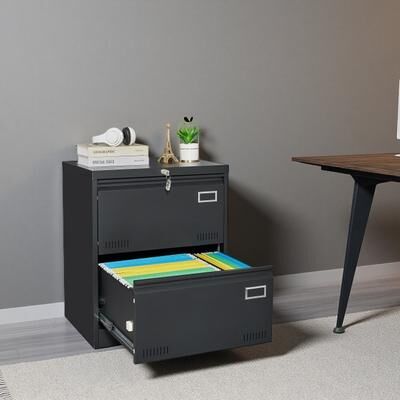
VIVIADORE Drawer Lateral Filing Cabinet with Lock,Wide Metal Storage Cabinet with Secure DrawersOptimize your workspace organization with this widened drawer file cabinet, designed to provide efficient storage, easy file management, and enhanced document security.263,50 $*Shipping: 0,00 $Secure redirect to the provider
-
OEM Wood File Cabinet, Tall Filing Storage Printer Stand for A4/Letter/Legal Size, Home Office Document Accent CabinetA reliable file cabinet is the backbone of an organized workspace—where documents find their place, clutter fades away, and work flows with ease.231,34 $*Shipping: 0,00 $Secure redirect to the provider
-
KOWO Wooden 2-Drawer Filing Cabinet with Lock Letter Size Office Storage, Locking Document Organizer for Home or WorkplaceAre you always troubled with not being able to find documents and materials and the mess of piles of folders? Do you often need help finding what you want? It's time to have a file cabinet!123,19 $*Shipping: 0,00 $Secure redirect to the provider


-
Can you advance as an archaeologist?
Yes, you can advance as an archaeologist by gaining more experience, pursuing higher education such as a master's or doctoral degree in archaeology or a related field, specializing in a specific area of archaeology, and conducting research and publishing your findings. Advancement opportunities may also include taking on leadership roles in archaeological projects, working for prestigious institutions, and collaborating with other experts in the field. Continuous learning, networking, and staying updated on the latest developments in archaeology are key to advancing in this career. **
-
How do I become an archaeologist?
To become an archaeologist, you typically need a bachelor's degree in archaeology or a related field such as anthropology, history, or classics. It is also beneficial to gain fieldwork experience through internships or volunteer opportunities. Some archaeologists pursue advanced degrees, such as a master's or Ph.D., to specialize in a particular area of archaeology. Networking with professionals in the field and staying current with developments in archaeology are also important steps in becoming a successful archaeologist. **
-
What skills does an archaeologist need?
Archaeologists need a combination of technical skills, such as excavation techniques, artifact analysis, and mapping, as well as critical thinking and problem-solving skills to interpret findings. They also need strong research skills to analyze historical documents and data. Effective communication skills are essential for presenting findings to both academic audiences and the general public. Additionally, archaeologists need to be detail-oriented, patient, and have a passion for history and culture. **
-
How does one become an archaeologist?
To become an archaeologist, one typically needs to earn a bachelor's degree in archaeology, anthropology, or a related field. Some positions may require a master's or doctoral degree, especially for research or academic roles. It is also important to gain field experience through internships, volunteer work, or field schools. Developing strong research, analytical, and communication skills is essential for success in this field. Additionally, networking with professionals in the field and staying updated on current archaeological methods and technologies can help advance a career in archaeology. **
Can one be a historian and archaeologist?
Yes, one can be a historian and an archaeologist. Historians study and interpret written records and documents to understand and analyze past events, while archaeologists study material remains such as artifacts, structures, and landscapes to reconstruct and understand past human cultures and societies. Both disciplines are complementary and often overlap in their research methods and goals, making it possible for individuals to be trained and work in both fields. This interdisciplinary approach can provide a more comprehensive understanding of the past. **
Is there a similar profession to archaeologist?
Yes, a similar profession to archaeologist is anthropologist. Both archaeologists and anthropologists study human societies and cultures, but archaeologists focus on studying past human societies through the analysis of material remains such as artifacts, structures, and environmental data, while anthropologists study human societies and cultures in a broader sense, including their social, cultural, biological, and linguistic aspects. Both professions require a strong understanding of human history and culture, as well as the ability to conduct research and analyze data. **
Top-Angebote
Products related to Archaeologist:
-
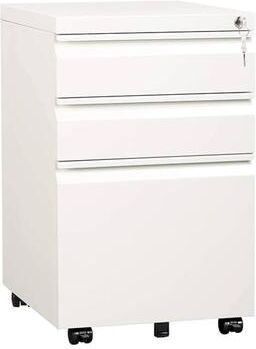
Garvee Document 3-Drawer Mobile Metal Filing Cabinet with Lock, Document Storage Solution, WhiteSpacious 3-Drawer Storage – Deep, roomy drawers hold letter, legal, and A4 documents with adjustable hanging rails. Extra space for office supplies, notebooks, and personal items keeps workspaces neat and productive.129,99 $*Shipping: 0,00 $Secure redirect to the provider
-
Garvee Three-Drawer Metal Filing Storage Cabinet with Lock for Home Office Document Storage, WhiteSecure Locking & Anti-Tilt Design – Reliable locking mechanism secures all drawers for Letter, Legal, A4, and F4 documents. Anti-tilt system locks other drawers when one is fully opened, preventing tipping and ensuring safe use.155,99 $*Shipping: 0,00 $Secure redirect to the provider
-
GDFStudio - Benjamin Metal Folding Storage Cabinet with Secure Locking Doors and Flexible OrganizationSecure Locking Doors: Designed with robust handle locks, this cabinet offers enhanced security to protect valuable documents, tools, or supplies in offices, schools, or garages while remaining easy to operate.211,90 $*Shipping: 0,00 $Secure redirect to the provider
-
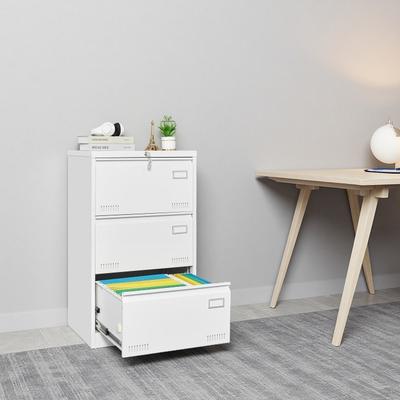
VIVIADORE Drawer Lateral Filing Cabinet with Lock,Wide Metal Storage Cabinet with Secure DrawersOptimize your workspace organization with this widened drawer file cabinet, designed to provide efficient storage, easy file management, and enhanced document security.263,50 $*Shipping: 0,00 $Secure redirect to the provider
-
What does the archaeologist ask?
The archaeologist asks questions related to the past, such as how people lived, what they ate, what tools they used, and how they interacted with their environment. They also inquire about the significance of artifacts, structures, and other remains found at a site, seeking to understand the cultural, social, and economic aspects of ancient societies. Additionally, archaeologists may ask questions about the chronology of a site, trying to determine when specific events occurred and how they relate to broader historical contexts. **
-
Can one advance as an archaeologist?
Yes, one can advance as an archaeologist by gaining experience through fieldwork, research, and publications. Advancement opportunities can also come through pursuing higher education such as a master's or doctoral degree in archaeology or a related field. Building a strong network within the archaeological community, attending conferences, and collaborating with other professionals can also help in advancing one's career in archaeology. Additionally, seeking out leadership roles in archaeological projects or organizations can further contribute to career advancement in this field. **
-
Can you advance as an archaeologist?
Yes, you can advance as an archaeologist by gaining more experience, pursuing higher education such as a master's or doctoral degree in archaeology or a related field, specializing in a specific area of archaeology, and conducting research and publishing your findings. Advancement opportunities may also include taking on leadership roles in archaeological projects, working for prestigious institutions, and collaborating with other experts in the field. Continuous learning, networking, and staying updated on the latest developments in archaeology are key to advancing in this career. **
-
How do I become an archaeologist?
To become an archaeologist, you typically need a bachelor's degree in archaeology or a related field such as anthropology, history, or classics. It is also beneficial to gain fieldwork experience through internships or volunteer opportunities. Some archaeologists pursue advanced degrees, such as a master's or Ph.D., to specialize in a particular area of archaeology. Networking with professionals in the field and staying current with developments in archaeology are also important steps in becoming a successful archaeologist. **
Similar search terms for Archaeologist
-
OEM Wood File Cabinet, Tall Filing Storage Printer Stand for A4/Letter/Legal Size, Home Office Document Accent CabinetA reliable file cabinet is the backbone of an organized workspace—where documents find their place, clutter fades away, and work flows with ease.231,34 $*Shipping: 0,00 $Secure redirect to the provider
-
KOWO Wooden 2-Drawer Filing Cabinet with Lock Letter Size Office Storage, Locking Document Organizer for Home or WorkplaceAre you always troubled with not being able to find documents and materials and the mess of piles of folders? Do you often need help finding what you want? It's time to have a file cabinet!123,19 $*Shipping: 0,00 $Secure redirect to the provider
-
VIVIADORE Drawer Lateral Filing Cabinet with Lock,Wide Metal Storage Cabinet with Secure DrawersOptimize your workspace organization with this widened drawer file cabinet, designed to provide efficient storage, easy file management, and enhanced document security.261,11 $*Shipping: 0,00 $Secure redirect to the provider
-
VIVIADORE Drawer Lateral Filing Cabinet with Lock,Wide Metal Storage Cabinet with Secure DrawersOptimize your workspace organization with this widened drawer file cabinet, designed to provide efficient storage, easy file management, and enhanced document security.226,92 $*Shipping: 0,00 $Secure redirect to the provider
-
What skills does an archaeologist need?
Archaeologists need a combination of technical skills, such as excavation techniques, artifact analysis, and mapping, as well as critical thinking and problem-solving skills to interpret findings. They also need strong research skills to analyze historical documents and data. Effective communication skills are essential for presenting findings to both academic audiences and the general public. Additionally, archaeologists need to be detail-oriented, patient, and have a passion for history and culture. **
-
How does one become an archaeologist?
To become an archaeologist, one typically needs to earn a bachelor's degree in archaeology, anthropology, or a related field. Some positions may require a master's or doctoral degree, especially for research or academic roles. It is also important to gain field experience through internships, volunteer work, or field schools. Developing strong research, analytical, and communication skills is essential for success in this field. Additionally, networking with professionals in the field and staying updated on current archaeological methods and technologies can help advance a career in archaeology. **
-
Can one be a historian and archaeologist?
Yes, one can be a historian and an archaeologist. Historians study and interpret written records and documents to understand and analyze past events, while archaeologists study material remains such as artifacts, structures, and landscapes to reconstruct and understand past human cultures and societies. Both disciplines are complementary and often overlap in their research methods and goals, making it possible for individuals to be trained and work in both fields. This interdisciplinary approach can provide a more comprehensive understanding of the past. **
-
Is there a similar profession to archaeologist?
Yes, a similar profession to archaeologist is anthropologist. Both archaeologists and anthropologists study human societies and cultures, but archaeologists focus on studying past human societies through the analysis of material remains such as artifacts, structures, and environmental data, while anthropologists study human societies and cultures in a broader sense, including their social, cultural, biological, and linguistic aspects. Both professions require a strong understanding of human history and culture, as well as the ability to conduct research and analyze data. **
* All prices are inclusive of VAT and, if applicable, plus shipping costs. The offer information is based on the details provided by the respective shop and is updated through automated processes. Real-time updates do not occur, so deviations can occur in individual cases. ** Note: Parts of this content were created by AI.