Buy redfile.eu ?
We are moving the project
redfile.eu .
Are you interested in purchasing the domain
redfile.eu ?
domain@kv-gmbh.de · 0541-91531010
Buy redfile.eu ?
What are diverging plate tsunamis?
Diverging plate tsunamis are caused by the movement of tectonic plates away from each other, creating a gap or rift in the ocean floor. This movement can displace a large volume of water, triggering a tsunami. Diverging plate tsunamis are less common than subduction zone tsunamis, which occur when tectonic plates collide. However, they can still be powerful and destructive, especially in regions where divergent plate boundaries are active, such as the East African Rift. **
Why do short-sighted people need diverging lenses?
Short-sighted people, also known as myopic individuals, have difficulty seeing distant objects clearly. This is because their eyes focus the image in front of the retina instead of directly on it. Diverging lenses are used to correct this by spreading out the light rays before they enter the eye, allowing the image to be focused correctly on the retina. This helps to improve the clarity of distant vision for short-sighted individuals. **
Similar search terms for Diverging
Top-Angebote
Products related to Diverging:
-
Garvee Three-Drawer Metal Filing Storage Cabinet with Lock for Home Office Document Storage, WhiteSecure Locking & Anti-Tilt Design – Reliable locking mechanism secures all drawers for Letter, Legal, A4, and F4 documents. Anti-tilt system locks other drawers when one is fully opened, preventing tipping and ensuring safe use.155,99 $*Shipping: 0,00 $Secure redirect to the provider
-
GDFStudio - Benjamin Metal Folding Storage Cabinet with Secure Locking Doors and Flexible OrganizationSecure Locking Doors: Designed with robust handle locks, this cabinet offers enhanced security to protect valuable documents, tools, or supplies in offices, schools, or garages while remaining easy to operate.211,90 $*Shipping: 0,00 $Secure redirect to the provider
-
OEM Wood File Cabinet, Tall Filing Storage Printer Stand for A4/Letter/Legal Size, Home Office Document Accent CabinetA reliable file cabinet is the backbone of an organized workspace—where documents find their place, clutter fades away, and work flows with ease.238,49 $*Shipping: 0,00 $Secure redirect to the provider
-
KOWO Wooden 2-Drawer Filing Cabinet with Lock Letter Size Office Storage, Locking Document Organizer for Home or WorkplaceAre you always troubled with not being able to find documents and materials and the mess of piles of folders? Do you often need help finding what you want? It's time to have a file cabinet!123,19 $*Shipping: 0,00 $Secure redirect to the provider


-
What are the properties of diverging and converging lenses?
Diverging lenses are thinner at the center than at the edges and cause parallel light rays to spread out, or diverge. This results in the formation of virtual images that are always upright and smaller than the object. Converging lenses are thicker at the center than at the edges and cause parallel light rays to converge to a focal point. This results in the formation of real images that can be either upright or inverted, depending on the object's distance from the lens. **
-
Is the converging lens the same as the diverging lens?
No, a converging lens and a diverging lens are not the same. A converging lens is thicker in the middle and causes parallel rays of light to converge at a focal point, while a diverging lens is thinner in the middle and causes parallel rays of light to diverge. Converging lenses are used to create real images, while diverging lenses are used to create virtual images. Therefore, the two types of lenses have different optical properties and applications. **
-
What is the difference between a converging lens and a diverging lens?
A converging lens is thicker in the middle and thinner at the edges, causing light rays to converge at a focal point. This type of lens is often used in cameras and microscopes. On the other hand, a diverging lens is thinner in the middle and thicker at the edges, causing light rays to diverge. This type of lens is often used in correcting nearsightedness in eyeglasses. In summary, the main difference between the two types of lenses is how they bend light rays - converging lenses bring light rays together, while diverging lenses spread them apart. **
-
What is the difference in shape between a converging lens and a diverging lens?
A converging lens is thicker in the middle and thinner at the edges, causing light rays to converge at a focal point. In contrast, a diverging lens is thinner in the middle and thicker at the edges, causing light rays to diverge away from a focal point. This difference in shape results in the converging lens being able to focus light to a point, while the diverging lens spreads out light. **


Are the differences in IQ between countries really only due to diverging education systems?
While education systems certainly play a significant role in shaping IQ levels within a country, they are not the sole factor responsible for differences in IQ between countries. Other factors such as genetics, socio-economic status, nutrition, healthcare, and cultural differences can also contribute to variations in IQ levels. Additionally, access to resources, quality of education, and societal attitudes towards learning can vary widely between countries, further influencing IQ disparities. Therefore, it is important to consider a range of factors when analyzing differences in IQ between countries, rather than attributing it solely to education systems. **
What are the differences and similarities between a converging lens and a diverging lens?
The main difference between a converging lens and a diverging lens is their ability to converge or diverge light rays. A converging lens, also known as a convex lens, causes parallel light rays to converge at a focal point, while a diverging lens, also known as a concave lens, causes parallel light rays to diverge. Both lenses have a focal point and focal length, but the converging lens has a real focal point, while the diverging lens has a virtual focal point. Additionally, converging lenses produce real and inverted images, while diverging lenses produce virtual and upright images. **
Top-Angebote
Products related to Diverging:
-
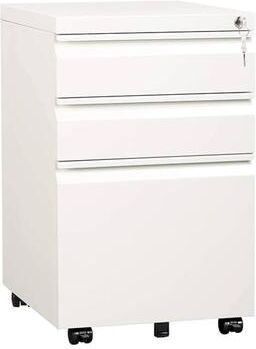
Garvee Document 3-Drawer Mobile Metal Filing Cabinet with Lock, Document Storage Solution, WhiteSpacious 3-Drawer Storage – Deep, roomy drawers hold letter, legal, and A4 documents with adjustable hanging rails. Extra space for office supplies, notebooks, and personal items keeps workspaces neat and productive.129,99 $*Shipping: 0,00 $Secure redirect to the provider
-
Garvee Three-Drawer Metal Filing Storage Cabinet with Lock for Home Office Document Storage, WhiteSecure Locking & Anti-Tilt Design – Reliable locking mechanism secures all drawers for Letter, Legal, A4, and F4 documents. Anti-tilt system locks other drawers when one is fully opened, preventing tipping and ensuring safe use.155,99 $*Shipping: 0,00 $Secure redirect to the provider
-
GDFStudio - Benjamin Metal Folding Storage Cabinet with Secure Locking Doors and Flexible OrganizationSecure Locking Doors: Designed with robust handle locks, this cabinet offers enhanced security to protect valuable documents, tools, or supplies in offices, schools, or garages while remaining easy to operate.211,90 $*Shipping: 0,00 $Secure redirect to the provider
-
What are diverging plate tsunamis?
Diverging plate tsunamis are caused by the movement of tectonic plates away from each other, creating a gap or rift in the ocean floor. This movement can displace a large volume of water, triggering a tsunami. Diverging plate tsunamis are less common than subduction zone tsunamis, which occur when tectonic plates collide. However, they can still be powerful and destructive, especially in regions where divergent plate boundaries are active, such as the East African Rift. **
-
Why do short-sighted people need diverging lenses?
Short-sighted people, also known as myopic individuals, have difficulty seeing distant objects clearly. This is because their eyes focus the image in front of the retina instead of directly on it. Diverging lenses are used to correct this by spreading out the light rays before they enter the eye, allowing the image to be focused correctly on the retina. This helps to improve the clarity of distant vision for short-sighted individuals. **
-
What are the properties of diverging and converging lenses?
Diverging lenses are thinner at the center than at the edges and cause parallel light rays to spread out, or diverge. This results in the formation of virtual images that are always upright and smaller than the object. Converging lenses are thicker at the center than at the edges and cause parallel light rays to converge to a focal point. This results in the formation of real images that can be either upright or inverted, depending on the object's distance from the lens. **
-
Is the converging lens the same as the diverging lens?
No, a converging lens and a diverging lens are not the same. A converging lens is thicker in the middle and causes parallel rays of light to converge at a focal point, while a diverging lens is thinner in the middle and causes parallel rays of light to diverge. Converging lenses are used to create real images, while diverging lenses are used to create virtual images. Therefore, the two types of lenses have different optical properties and applications. **
Similar search terms for Diverging
-
OEM Wood File Cabinet, Tall Filing Storage Printer Stand for A4/Letter/Legal Size, Home Office Document Accent CabinetA reliable file cabinet is the backbone of an organized workspace—where documents find their place, clutter fades away, and work flows with ease.238,49 $*Shipping: 0,00 $Secure redirect to the provider
-
KOWO Wooden 2-Drawer Filing Cabinet with Lock Letter Size Office Storage, Locking Document Organizer for Home or WorkplaceAre you always troubled with not being able to find documents and materials and the mess of piles of folders? Do you often need help finding what you want? It's time to have a file cabinet!123,19 $*Shipping: 0,00 $Secure redirect to the provider
-
What is the difference between a converging lens and a diverging lens?
A converging lens is thicker in the middle and thinner at the edges, causing light rays to converge at a focal point. This type of lens is often used in cameras and microscopes. On the other hand, a diverging lens is thinner in the middle and thicker at the edges, causing light rays to diverge. This type of lens is often used in correcting nearsightedness in eyeglasses. In summary, the main difference between the two types of lenses is how they bend light rays - converging lenses bring light rays together, while diverging lenses spread them apart. **
-
What is the difference in shape between a converging lens and a diverging lens?
A converging lens is thicker in the middle and thinner at the edges, causing light rays to converge at a focal point. In contrast, a diverging lens is thinner in the middle and thicker at the edges, causing light rays to diverge away from a focal point. This difference in shape results in the converging lens being able to focus light to a point, while the diverging lens spreads out light. **
-
Are the differences in IQ between countries really only due to diverging education systems?
While education systems certainly play a significant role in shaping IQ levels within a country, they are not the sole factor responsible for differences in IQ between countries. Other factors such as genetics, socio-economic status, nutrition, healthcare, and cultural differences can also contribute to variations in IQ levels. Additionally, access to resources, quality of education, and societal attitudes towards learning can vary widely between countries, further influencing IQ disparities. Therefore, it is important to consider a range of factors when analyzing differences in IQ between countries, rather than attributing it solely to education systems. **
-
What are the differences and similarities between a converging lens and a diverging lens?
The main difference between a converging lens and a diverging lens is their ability to converge or diverge light rays. A converging lens, also known as a convex lens, causes parallel light rays to converge at a focal point, while a diverging lens, also known as a concave lens, causes parallel light rays to diverge. Both lenses have a focal point and focal length, but the converging lens has a real focal point, while the diverging lens has a virtual focal point. Additionally, converging lenses produce real and inverted images, while diverging lenses produce virtual and upright images. **
* All prices are inclusive of VAT and, if applicable, plus shipping costs. The offer information is based on the details provided by the respective shop and is updated through automated processes. Real-time updates do not occur, so deviations can occur in individual cases. ** Note: Parts of this content were created by AI.