Buy redfile.eu ?
We are moving the project
redfile.eu .
Are you interested in purchasing the domain
redfile.eu ?
domain@kv-gmbh.de · 0541-91531010
Buy redfile.eu ?
How can one iterate through a Python list?
One can iterate through a Python list using a for loop. The for loop allows you to loop through each element in the list and perform some action on each element. For example, you can use the following syntax to iterate through a list: ``` my_list = [1, 2, 3, 4, 5] for item in my_list: print(item) ``` This will print each element in the list on a new line. **
How can I iterate through a tree in Java?
You can iterate through a tree in Java using depth-first or breadth-first traversal algorithms. For depth-first traversal, you can use recursion to visit each node in the tree, starting from the root and then visiting the left and right subtrees. For breadth-first traversal, you can use a queue data structure to visit each level of the tree before moving on to the next level. You can implement these traversal algorithms using either iterative or recursive approaches, depending on your preference and the specific requirements of your application. **

Similar search terms for Iterate
Top-Angebote
Products related to Iterate:
-
GDFStudio - Benjamin Metal Folding Storage Cabinet with Secure Locking Doors and Flexible OrganizationSecure Locking Doors: Designed with robust handle locks, this cabinet offers enhanced security to protect valuable documents, tools, or supplies in offices, schools, or garages while remaining easy to operate.211,90 $*Shipping: 0,00 $Secure redirect to the provider
-
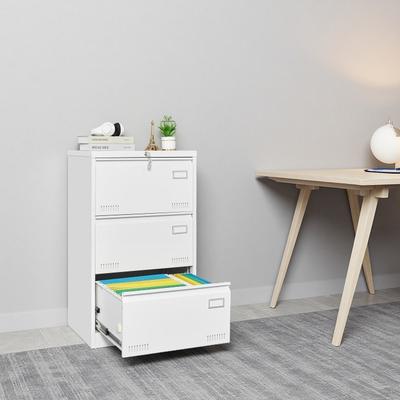
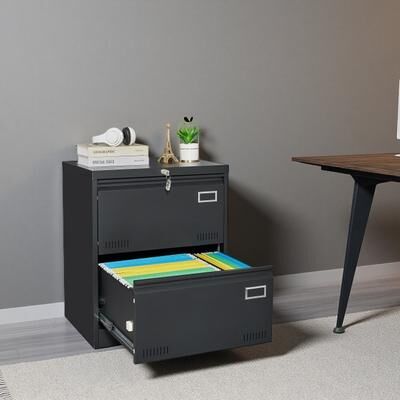
VIVIADORE Drawer Lateral Filing Cabinet with Lock,Wide Metal Storage Cabinet with Secure DrawersOptimize your workspace organization with this widened drawer file cabinet, designed to provide efficient storage, easy file management, and enhanced document security.263,50 $*Shipping: 0,00 $Secure redirect to the provider
-
OEM Wood File Cabinet, Tall Filing Storage Printer Stand for A4/Letter/Legal Size, Home Office Document Accent CabinetA reliable file cabinet is the backbone of an organized workspace—where documents find their place, clutter fades away, and work flows with ease.231,34 $*Shipping: 0,00 $Secure redirect to the provider
-
KOWO Wooden 2-Drawer Filing Cabinet with Lock Letter Size Office Storage, Locking Document Organizer for Home or WorkplaceAre you always troubled with not being able to find documents and materials and the mess of piles of folders? Do you often need help finding what you want? It's time to have a file cabinet!123,19 $*Shipping: 0,00 $Secure redirect to the provider


-
How can one iterate through a Java array in reverse?
To iterate through a Java array in reverse, you can start by initializing a loop that runs from the last index of the array to the first index. You can achieve this by starting the loop with the array length minus one and decrementing the index until it reaches zero. Within the loop, you can access the elements of the array using the index to iterate through the array in reverse order. **
-
How do you iterate through a two-dimensional array using a for loop?
To iterate through a two-dimensional array using a for loop, you would typically use nested loops. One loop would iterate over the rows of the array, and within that loop, another loop would iterate over the columns. By using the row index and column index, you can access each element of the two-dimensional array. This nested loop structure allows you to systematically traverse through all elements of the array. **
-
How can you iterate through two variables in a for loop in Python?
To iterate through two variables in a for loop in Python, you can use the `zip()` function to combine the two variables into pairs. For example, if you have two lists `list1` and `list2`, you can iterate through them simultaneously like this: ```python list1 = [1, 2, 3] list2 = ['a', 'b', 'c'] for item1, item2 in zip(list1, list2): print(item1, item2) ``` This will output: ``` 1 a 2 b 3 c ``` **
-
How can one iterate through all the possibilities of a list in Python?
One can iterate through all the possibilities of a list in Python using a for loop. By using the for loop, one can iterate through each element in the list and perform operations on them. Additionally, one can use list comprehension to iterate through the list and perform operations on each element in a more concise way. Another option is to use the itertools module, which provides functions for creating iterators for efficient looping through the elements of a list. **
How can I iterate through a list and add up all the values?
You can iterate through a list using a for loop and add up all the values by initializing a variable to store the sum and then adding each value to it as you iterate through the list. Here's an example in Python: ```python my_list = [1, 2, 3, 4, 5] total = 0 for value in my_list: total += value print(total) # Output: 15 ``` In this example, we initialize the variable `total` to 0 and then use a for loop to iterate through the `my_list` and add each value to `total`. Finally, we print the total sum. **
How can one iterate through a HashMap and output the value for the correct key?
To iterate through a HashMap and output the value for the correct key, you can use a for-each loop or an iterator. You can use the keySet() method to get a set of all the keys in the HashMap, and then iterate through this set to access the corresponding values using the get() method. Alternatively, you can use the entrySet() method to get a set of key-value pairs, and then iterate through this set to access both the key and value directly. Finally, you can use the forEach() method to iterate through the key-value pairs and perform an action for each entry. **
Top-Angebote
Products related to Iterate:
-
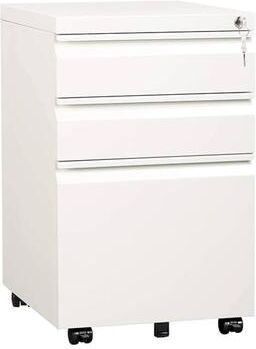
Garvee Document 3-Drawer Mobile Metal Filing Cabinet with Lock, Document Storage Solution, WhiteSpacious 3-Drawer Storage – Deep, roomy drawers hold letter, legal, and A4 documents with adjustable hanging rails. Extra space for office supplies, notebooks, and personal items keeps workspaces neat and productive.129,99 $*Shipping: 0,00 $Secure redirect to the provider
-
Garvee Three-Drawer Metal Filing Storage Cabinet with Lock for Home Office Document Storage, WhiteSecure Locking & Anti-Tilt Design – Reliable locking mechanism secures all drawers for Letter, Legal, A4, and F4 documents. Anti-tilt system locks other drawers when one is fully opened, preventing tipping and ensuring safe use.155,99 $*Shipping: 0,00 $Secure redirect to the provider
-
GDFStudio - Benjamin Metal Folding Storage Cabinet with Secure Locking Doors and Flexible OrganizationSecure Locking Doors: Designed with robust handle locks, this cabinet offers enhanced security to protect valuable documents, tools, or supplies in offices, schools, or garages while remaining easy to operate.211,90 $*Shipping: 0,00 $Secure redirect to the provider
-
VIVIADORE Drawer Lateral Filing Cabinet with Lock,Wide Metal Storage Cabinet with Secure DrawersOptimize your workspace organization with this widened drawer file cabinet, designed to provide efficient storage, easy file management, and enhanced document security.263,50 $*Shipping: 0,00 $Secure redirect to the provider
-
How can one iterate through a Python list?
One can iterate through a Python list using a for loop. The for loop allows you to loop through each element in the list and perform some action on each element. For example, you can use the following syntax to iterate through a list: ``` my_list = [1, 2, 3, 4, 5] for item in my_list: print(item) ``` This will print each element in the list on a new line. **
-
How can I iterate through a tree in Java?
You can iterate through a tree in Java using depth-first or breadth-first traversal algorithms. For depth-first traversal, you can use recursion to visit each node in the tree, starting from the root and then visiting the left and right subtrees. For breadth-first traversal, you can use a queue data structure to visit each level of the tree before moving on to the next level. You can implement these traversal algorithms using either iterative or recursive approaches, depending on your preference and the specific requirements of your application. **
-
How can one iterate through a Java array in reverse?
To iterate through a Java array in reverse, you can start by initializing a loop that runs from the last index of the array to the first index. You can achieve this by starting the loop with the array length minus one and decrementing the index until it reaches zero. Within the loop, you can access the elements of the array using the index to iterate through the array in reverse order. **
-
How do you iterate through a two-dimensional array using a for loop?
To iterate through a two-dimensional array using a for loop, you would typically use nested loops. One loop would iterate over the rows of the array, and within that loop, another loop would iterate over the columns. By using the row index and column index, you can access each element of the two-dimensional array. This nested loop structure allows you to systematically traverse through all elements of the array. **
Similar search terms for Iterate
-
OEM Wood File Cabinet, Tall Filing Storage Printer Stand for A4/Letter/Legal Size, Home Office Document Accent CabinetA reliable file cabinet is the backbone of an organized workspace—where documents find their place, clutter fades away, and work flows with ease.231,34 $*Shipping: 0,00 $Secure redirect to the provider
-
KOWO Wooden 2-Drawer Filing Cabinet with Lock Letter Size Office Storage, Locking Document Organizer for Home or WorkplaceAre you always troubled with not being able to find documents and materials and the mess of piles of folders? Do you often need help finding what you want? It's time to have a file cabinet!123,19 $*Shipping: 0,00 $Secure redirect to the provider
-
VIVIADORE Drawer Lateral Filing Cabinet with Lock,Wide Metal Storage Cabinet with Secure DrawersOptimize your workspace organization with this widened drawer file cabinet, designed to provide efficient storage, easy file management, and enhanced document security.261,11 $*Shipping: 0,00 $Secure redirect to the provider
-
VIVIADORE Drawer Lateral Filing Cabinet with Lock,Wide Metal Storage Cabinet with Secure DrawersOptimize your workspace organization with this widened drawer file cabinet, designed to provide efficient storage, easy file management, and enhanced document security.226,92 $*Shipping: 0,00 $Secure redirect to the provider
-
How can you iterate through two variables in a for loop in Python?
To iterate through two variables in a for loop in Python, you can use the `zip()` function to combine the two variables into pairs. For example, if you have two lists `list1` and `list2`, you can iterate through them simultaneously like this: ```python list1 = [1, 2, 3] list2 = ['a', 'b', 'c'] for item1, item2 in zip(list1, list2): print(item1, item2) ``` This will output: ``` 1 a 2 b 3 c ``` **
-
How can one iterate through all the possibilities of a list in Python?
One can iterate through all the possibilities of a list in Python using a for loop. By using the for loop, one can iterate through each element in the list and perform operations on them. Additionally, one can use list comprehension to iterate through the list and perform operations on each element in a more concise way. Another option is to use the itertools module, which provides functions for creating iterators for efficient looping through the elements of a list. **
-
How can I iterate through a list and add up all the values?
You can iterate through a list using a for loop and add up all the values by initializing a variable to store the sum and then adding each value to it as you iterate through the list. Here's an example in Python: ```python my_list = [1, 2, 3, 4, 5] total = 0 for value in my_list: total += value print(total) # Output: 15 ``` In this example, we initialize the variable `total` to 0 and then use a for loop to iterate through the `my_list` and add each value to `total`. Finally, we print the total sum. **
-
How can one iterate through a HashMap and output the value for the correct key?
To iterate through a HashMap and output the value for the correct key, you can use a for-each loop or an iterator. You can use the keySet() method to get a set of all the keys in the HashMap, and then iterate through this set to access the corresponding values using the get() method. Alternatively, you can use the entrySet() method to get a set of key-value pairs, and then iterate through this set to access both the key and value directly. Finally, you can use the forEach() method to iterate through the key-value pairs and perform an action for each entry. **
* All prices are inclusive of VAT and, if applicable, plus shipping costs. The offer information is based on the details provided by the respective shop and is updated through automated processes. Real-time updates do not occur, so deviations can occur in individual cases. ** Note: Parts of this content were created by AI.