Buy redfile.eu ?
We are moving the project
redfile.eu .
Are you interested in purchasing the domain
redfile.eu ?
domain@kv-gmbh.de · 0541-91531010
Buy redfile.eu ?
What are nonverbal autistics?
Nonverbal autistics are individuals on the autism spectrum who have limited or no verbal communication abilities. They may rely on alternative forms of communication such as gestures, pictures, or assistive technology devices to express their needs and thoughts. Nonverbal autistics may have challenges in understanding and using spoken language, but they can still communicate effectively through nonverbal means. It is important to recognize and support their unique communication needs to help them thrive and connect with others. **
What is nonverbal communication?
Nonverbal communication refers to the transmission of messages and information through nonverbal cues such as body language, facial expressions, gestures, and tone of voice. It is a form of communication that does not involve the use of words, but can still convey important information and emotions. Nonverbal communication can greatly impact how a message is received and understood, and it plays a crucial role in interpersonal interactions and relationships. It is an essential aspect of communication that complements and enhances verbal communication. **

Similar search terms for Nonverbal
Top-Angebote
Products related to Nonverbal:
-
GDFStudio - Benjamin Metal Folding Storage Cabinet with Secure Locking Doors and Flexible OrganizationSecure Locking Doors: Designed with robust handle locks, this cabinet offers enhanced security to protect valuable documents, tools, or supplies in offices, schools, or garages while remaining easy to operate.211,90 $*Shipping: 0,00 $Secure redirect to the provider
-
OEM Wood File Cabinet, Tall Filing Storage Printer Stand for A4/Letter/Legal Size, Home Office Document Accent CabinetA reliable file cabinet is the backbone of an organized workspace—where documents find their place, clutter fades away, and work flows with ease.238,49 $*Shipping: 0,00 $Secure redirect to the provider
-
KOWO Wooden 2-Drawer Filing Cabinet with Lock Letter Size Office Storage, Locking Document Organizer for Home or WorkplaceAre you always troubled with not being able to find documents and materials and the mess of piles of folders? Do you often need help finding what you want? It's time to have a file cabinet!123,19 $*Shipping: 0,00 $Secure redirect to the provider
-
VIVIADORE Drawer Lateral Filing Cabinet with Lock,Wide Metal Storage Cabinet with Secure DrawersOptimize your workspace organization with this widened drawer file cabinet, designed to provide efficient storage, easy file management, and enhanced document security.263,50 $*Shipping: 0,00 $Secure redirect to the provider


-
What characterizes nonverbal communication?
Nonverbal communication encompasses a wide range of behaviors and cues, including body language, facial expressions, gestures, eye contact, posture, and tone of voice. It is a significant aspect of human interaction and can convey emotions, attitudes, and intentions. Nonverbal communication is often spontaneous and can occur simultaneously with verbal communication, adding layers of meaning and nuance to the interaction. It is also influenced by cultural and social norms, making it important to consider the context and cultural background when interpreting nonverbal cues. **
-
Why is nonverbal communication important?
Nonverbal communication is important because it can convey emotions, attitudes, and intentions that may not be expressed through words. It can also enhance or contradict the verbal message, providing additional context and meaning to the conversation. Nonverbal cues such as body language, facial expressions, and tone of voice can help to build rapport, establish trust, and create a deeper connection with others. Additionally, being able to interpret and respond to nonverbal cues is essential for effective communication and understanding in various social and professional settings. **
-
What is verbal and nonverbal communication?
Verbal communication involves the use of words, spoken or written, to convey a message. It includes conversations, speeches, presentations, and written messages. Nonverbal communication, on the other hand, involves the use of gestures, facial expressions, body language, and tone of voice to convey meaning. Both verbal and nonverbal communication are essential in conveying messages effectively and understanding others in various social interactions. **
-
Is laughter verbal or nonverbal communication?
Laughter is considered a form of nonverbal communication. While it is a vocal expression involving the production of sound, laughter is typically spontaneous and often communicates emotions such as joy, amusement, or relief without the use of words. The tone, pitch, and duration of laughter can convey a range of meanings and emotions, making it a powerful nonverbal communication tool. **


What is meant by nonverbal communication?
Nonverbal communication refers to the transmission of messages or information through non-linguistic means, such as body language, facial expressions, gestures, and tone of voice. It is a form of communication that can convey emotions, attitudes, and intentions without the use of words. Nonverbal communication plays a crucial role in interpersonal interactions and can significantly impact the way a message is perceived and understood. It is an essential aspect of communication that complements verbal communication and can provide additional context and meaning to the spoken words. **
What are verbal, nonverbal, and paraverbal communication?
Verbal communication involves the use of spoken or written words to convey a message. Nonverbal communication includes gestures, facial expressions, body language, and other forms of communication that do not involve words. Paraverbal communication refers to the way in which words are spoken, including tone of voice, volume, pitch, and speed of speech, which can greatly impact the message being conveyed. Together, verbal, nonverbal, and paraverbal communication work together to effectively communicate thoughts, feelings, and intentions. **
Top-Angebote
Products related to Nonverbal:
-
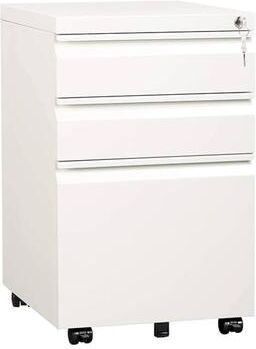
Garvee Document 3-Drawer Mobile Metal Filing Cabinet with Lock, Document Storage Solution, WhiteSpacious 3-Drawer Storage – Deep, roomy drawers hold letter, legal, and A4 documents with adjustable hanging rails. Extra space for office supplies, notebooks, and personal items keeps workspaces neat and productive.129,99 $*Shipping: 0,00 $Secure redirect to the provider
-
Garvee Three-Drawer Metal Filing Storage Cabinet with Lock for Home Office Document Storage, WhiteSecure Locking & Anti-Tilt Design – Reliable locking mechanism secures all drawers for Letter, Legal, A4, and F4 documents. Anti-tilt system locks other drawers when one is fully opened, preventing tipping and ensuring safe use.155,99 $*Shipping: 0,00 $Secure redirect to the provider
-
GDFStudio - Benjamin Metal Folding Storage Cabinet with Secure Locking Doors and Flexible OrganizationSecure Locking Doors: Designed with robust handle locks, this cabinet offers enhanced security to protect valuable documents, tools, or supplies in offices, schools, or garages while remaining easy to operate.211,90 $*Shipping: 0,00 $Secure redirect to the provider
-
OEM Wood File Cabinet, Tall Filing Storage Printer Stand for A4/Letter/Legal Size, Home Office Document Accent CabinetA reliable file cabinet is the backbone of an organized workspace—where documents find their place, clutter fades away, and work flows with ease.238,49 $*Shipping: 0,00 $Secure redirect to the provider
-
What are nonverbal autistics?
Nonverbal autistics are individuals on the autism spectrum who have limited or no verbal communication abilities. They may rely on alternative forms of communication such as gestures, pictures, or assistive technology devices to express their needs and thoughts. Nonverbal autistics may have challenges in understanding and using spoken language, but they can still communicate effectively through nonverbal means. It is important to recognize and support their unique communication needs to help them thrive and connect with others. **
-
What is nonverbal communication?
Nonverbal communication refers to the transmission of messages and information through nonverbal cues such as body language, facial expressions, gestures, and tone of voice. It is a form of communication that does not involve the use of words, but can still convey important information and emotions. Nonverbal communication can greatly impact how a message is received and understood, and it plays a crucial role in interpersonal interactions and relationships. It is an essential aspect of communication that complements and enhances verbal communication. **
-
What characterizes nonverbal communication?
Nonverbal communication encompasses a wide range of behaviors and cues, including body language, facial expressions, gestures, eye contact, posture, and tone of voice. It is a significant aspect of human interaction and can convey emotions, attitudes, and intentions. Nonverbal communication is often spontaneous and can occur simultaneously with verbal communication, adding layers of meaning and nuance to the interaction. It is also influenced by cultural and social norms, making it important to consider the context and cultural background when interpreting nonverbal cues. **
-
Why is nonverbal communication important?
Nonverbal communication is important because it can convey emotions, attitudes, and intentions that may not be expressed through words. It can also enhance or contradict the verbal message, providing additional context and meaning to the conversation. Nonverbal cues such as body language, facial expressions, and tone of voice can help to build rapport, establish trust, and create a deeper connection with others. Additionally, being able to interpret and respond to nonverbal cues is essential for effective communication and understanding in various social and professional settings. **
Similar search terms for Nonverbal
-
KOWO Wooden 2-Drawer Filing Cabinet with Lock Letter Size Office Storage, Locking Document Organizer for Home or WorkplaceAre you always troubled with not being able to find documents and materials and the mess of piles of folders? Do you often need help finding what you want? It's time to have a file cabinet!123,19 $*Shipping: 0,00 $Secure redirect to the provider
-
VIVIADORE Drawer Lateral Filing Cabinet with Lock,Wide Metal Storage Cabinet with Secure DrawersOptimize your workspace organization with this widened drawer file cabinet, designed to provide efficient storage, easy file management, and enhanced document security.263,50 $*Shipping: 0,00 $Secure redirect to the provider
-
OEM Wood File Cabinet, Tall Filing Storage Printer Stand for A4/Letter/Legal Size, Home Office Document Accent CabinetA reliable file cabinet is the backbone of an organized workspace—where documents find their place, clutter fades away, and work flows with ease.239,99 $*Shipping: 0,00 $Secure redirect to the provider
-
KOWO Wooden 2-Drawer Filing Cabinet with Lock Letter Size Office Storage, Locking Document Organizer for Home or WorkplaceAre you always troubled with not being able to find documents and materials and the mess of piles of folders? Do you often need help finding what you want? It's time to have a file cabinet!118,75 $*Shipping: 0,00 $Secure redirect to the provider
-
What is verbal and nonverbal communication?
Verbal communication involves the use of words, spoken or written, to convey a message. It includes conversations, speeches, presentations, and written messages. Nonverbal communication, on the other hand, involves the use of gestures, facial expressions, body language, and tone of voice to convey meaning. Both verbal and nonverbal communication are essential in conveying messages effectively and understanding others in various social interactions. **
-
Is laughter verbal or nonverbal communication?
Laughter is considered a form of nonverbal communication. While it is a vocal expression involving the production of sound, laughter is typically spontaneous and often communicates emotions such as joy, amusement, or relief without the use of words. The tone, pitch, and duration of laughter can convey a range of meanings and emotions, making it a powerful nonverbal communication tool. **
-
What is meant by nonverbal communication?
Nonverbal communication refers to the transmission of messages or information through non-linguistic means, such as body language, facial expressions, gestures, and tone of voice. It is a form of communication that can convey emotions, attitudes, and intentions without the use of words. Nonverbal communication plays a crucial role in interpersonal interactions and can significantly impact the way a message is perceived and understood. It is an essential aspect of communication that complements verbal communication and can provide additional context and meaning to the spoken words. **
-
What are verbal, nonverbal, and paraverbal communication?
Verbal communication involves the use of spoken or written words to convey a message. Nonverbal communication includes gestures, facial expressions, body language, and other forms of communication that do not involve words. Paraverbal communication refers to the way in which words are spoken, including tone of voice, volume, pitch, and speed of speech, which can greatly impact the message being conveyed. Together, verbal, nonverbal, and paraverbal communication work together to effectively communicate thoughts, feelings, and intentions. **
* All prices are inclusive of VAT and, if applicable, plus shipping costs. The offer information is based on the details provided by the respective shop and is updated through automated processes. Real-time updates do not occur, so deviations can occur in individual cases. ** Note: Parts of this content were created by AI.