Buy redfile.eu ?
We are moving the project
redfile.eu .
Are you interested in purchasing the domain
redfile.eu ?
domain@kv-gmbh.de · 0541-91531010
Buy redfile.eu ?
How is a covalent bond formed when nonmetal atoms meet nonmetal atoms?
When nonmetal atoms meet nonmetal atoms, they can form covalent bonds by sharing electrons. Each nonmetal atom contributes one or more electrons to the bond, creating a shared electron pair between the two atoms. This sharing of electrons allows both atoms to achieve a more stable electron configuration, typically by filling their outermost energy levels. The strength of the covalent bond depends on the number of shared electrons and the distance between the nuclei of the bonded atoms. **
How does a nonmetal react with oxygen?
Nonmetals typically react with oxygen to form oxides. This reaction can be highly exothermic, meaning it releases a significant amount of heat. For example, when sulfur reacts with oxygen, it forms sulfur dioxide. Nonmetals generally have a high affinity for oxygen, and the resulting oxides can have a variety of properties, such as being acidic or basic. Overall, the reaction of nonmetals with oxygen is an important aspect of chemical reactivity and plays a role in various natural and industrial processes. **

Similar search terms for Nonmetal
Top-Angebote
Products related to Nonmetal:
-
VIVIADORE Drawer Lateral Filing Cabinet with Lock,Wide Metal Storage Cabinet with Secure DrawersOptimize your workspace organization with this widened drawer file cabinet, designed to provide efficient storage, easy file management, and enhanced document security.263,50 $*Shipping: 0,00 $Secure redirect to the provider
-
OEM Wood File Cabinet, Tall Filing Storage Printer Stand for A4/Letter/Legal Size, Home Office Document Accent CabinetA reliable file cabinet is the backbone of an organized workspace—where documents find their place, clutter fades away, and work flows with ease.238,49 $*Shipping: 0,00 $Secure redirect to the provider
-
KOWO Wooden 2-Drawer Filing Cabinet with Lock Letter Size Office Storage, Locking Document Organizer for Home or WorkplaceAre you always troubled with not being able to find documents and materials and the mess of piles of folders? Do you often need help finding what you want? It's time to have a file cabinet!139,99 $*Shipping: 0,00 $Secure redirect to the provider
-
VIVIADORE Drawer Lateral Filing Cabinet with Lock,Wide Metal Storage Cabinet with Secure DrawersOptimize your workspace organization with this widened drawer file cabinet, designed to provide efficient storage, easy file management, and enhanced document security.261,11 $*Shipping: 0,00 $Secure redirect to the provider



-
How do you write formulas for nonmetal oxides?
To write formulas for nonmetal oxides, you need to first identify the nonmetal element present in the oxide. Then, determine the oxidation number of the nonmetal element. Finally, write the formula by balancing the charges of the nonmetal element and oxygen. For example, the formula for carbon dioxide (CO2) is written by balancing the +4 oxidation number of carbon with the -2 oxidation number of oxygen. **
-
What are the differences between metal oxides and nonmetal oxides?
Metal oxides are compounds formed between a metal and oxygen, while nonmetal oxides are compounds formed between a nonmetal and oxygen. Metal oxides tend to be basic in nature, meaning they react with acids to form salts and water. Nonmetal oxides, on the other hand, tend to be acidic in nature, meaning they react with bases to form salts and water. Additionally, metal oxides typically have higher melting and boiling points compared to nonmetal oxides. **
-
How can one recognize if an element is a nonmetal?
Nonmetals can be recognized by several characteristics. They are typically located on the right side of the periodic table, are poor conductors of heat and electricity, and have dull or non-shiny appearances. Nonmetals also tend to have lower melting and boiling points compared to metals. Additionally, they often form negative ions when they react with metals. **
-
What are the properties of metal oxides and nonmetal oxides?
Metal oxides are typically basic in nature, meaning they react with acids to form salts and water. They are also typically solid at room temperature and have high melting and boiling points. Nonmetal oxides, on the other hand, are usually acidic in nature, meaning they react with bases to form salts and water. They are often gases or liquids at room temperature and have lower melting and boiling points compared to metal oxides. Both types of oxides play important roles in various chemical reactions and industrial processes. **


Ionic bonding always occurs between a metal and a nonmetal.
Ionic bonding always occurs between a metal and a nonmetal because of the large difference in electronegativity between the two types of elements. Metals have low electronegativity and tend to lose electrons, while nonmetals have high electronen **
What happens during a chemical reaction between a metal and a nonmetal?
During a chemical reaction between a metal and a nonmetal, the metal atoms lose electrons to form positively charged ions, while the nonmetal atoms gain those electrons to form negatively charged ions. These oppositely charged ions then attract each other, forming an ionic bond. This results in the formation of a compound, which is typically a salt. The reaction can also involve the transfer of electrons from the metal to the nonmetal, resulting in the formation of a covalent bond. **
Top-Angebote
Products related to Nonmetal:
-
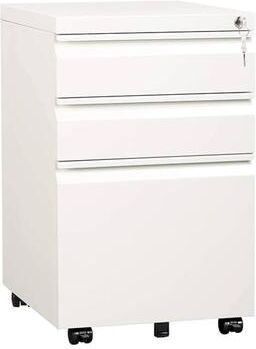
Garvee Document 3-Drawer Mobile Metal Filing Cabinet with Lock, Document Storage Solution, WhiteSpacious 3-Drawer Storage – Deep, roomy drawers hold letter, legal, and A4 documents with adjustable hanging rails. Extra space for office supplies, notebooks, and personal items keeps workspaces neat and productive.129,99 $*Shipping: 0,00 $Secure redirect to the provider
-
GDFStudio - Benjamin Metal Folding Storage Cabinet with Secure Locking Doors and Flexible OrganizationSecure Locking Doors: Designed with robust handle locks, this cabinet offers enhanced security to protect valuable documents, tools, or supplies in offices, schools, or garages while remaining easy to operate.212,73 $*Shipping: 0,00 $Secure redirect to the provider
-
VIVIADORE Drawer Lateral Filing Cabinet with Lock,Wide Metal Storage Cabinet with Secure DrawersOptimize your workspace organization with this widened drawer file cabinet, designed to provide efficient storage, easy file management, and enhanced document security.263,50 $*Shipping: 0,00 $Secure redirect to the provider
-
OEM Wood File Cabinet, Tall Filing Storage Printer Stand for A4/Letter/Legal Size, Home Office Document Accent CabinetA reliable file cabinet is the backbone of an organized workspace—where documents find their place, clutter fades away, and work flows with ease.238,49 $*Shipping: 0,00 $Secure redirect to the provider
-
How is a covalent bond formed when nonmetal atoms meet nonmetal atoms?
When nonmetal atoms meet nonmetal atoms, they can form covalent bonds by sharing electrons. Each nonmetal atom contributes one or more electrons to the bond, creating a shared electron pair between the two atoms. This sharing of electrons allows both atoms to achieve a more stable electron configuration, typically by filling their outermost energy levels. The strength of the covalent bond depends on the number of shared electrons and the distance between the nuclei of the bonded atoms. **
-
How does a nonmetal react with oxygen?
Nonmetals typically react with oxygen to form oxides. This reaction can be highly exothermic, meaning it releases a significant amount of heat. For example, when sulfur reacts with oxygen, it forms sulfur dioxide. Nonmetals generally have a high affinity for oxygen, and the resulting oxides can have a variety of properties, such as being acidic or basic. Overall, the reaction of nonmetals with oxygen is an important aspect of chemical reactivity and plays a role in various natural and industrial processes. **
-
How do you write formulas for nonmetal oxides?
To write formulas for nonmetal oxides, you need to first identify the nonmetal element present in the oxide. Then, determine the oxidation number of the nonmetal element. Finally, write the formula by balancing the charges of the nonmetal element and oxygen. For example, the formula for carbon dioxide (CO2) is written by balancing the +4 oxidation number of carbon with the -2 oxidation number of oxygen. **
-
What are the differences between metal oxides and nonmetal oxides?
Metal oxides are compounds formed between a metal and oxygen, while nonmetal oxides are compounds formed between a nonmetal and oxygen. Metal oxides tend to be basic in nature, meaning they react with acids to form salts and water. Nonmetal oxides, on the other hand, tend to be acidic in nature, meaning they react with bases to form salts and water. Additionally, metal oxides typically have higher melting and boiling points compared to nonmetal oxides. **
Similar search terms for Nonmetal
-
KOWO Wooden 2-Drawer Filing Cabinet with Lock Letter Size Office Storage, Locking Document Organizer for Home or WorkplaceAre you always troubled with not being able to find documents and materials and the mess of piles of folders? Do you often need help finding what you want? It's time to have a file cabinet!139,99 $*Shipping: 0,00 $Secure redirect to the provider
-
VIVIADORE Drawer Lateral Filing Cabinet with Lock,Wide Metal Storage Cabinet with Secure DrawersOptimize your workspace organization with this widened drawer file cabinet, designed to provide efficient storage, easy file management, and enhanced document security.261,11 $*Shipping: 0,00 $Secure redirect to the provider
-
VIVIADORE Drawer Lateral Filing Cabinet with Lock,Wide Metal Storage Cabinet with Secure DrawersOptimize your workspace organization with this widened drawer file cabinet, designed to provide efficient storage, easy file management, and enhanced document security.226,92 $*Shipping: 0,00 $Secure redirect to the provider
-
VIVIADORE Drawer Lateral Filing Cabinet with Lock,Wide Metal Storage Cabinet with Secure DrawersOptimize your workspace organization with this widened drawer file cabinet, designed to provide efficient storage, easy file management, and enhanced document security.209,85 $*Shipping: 0,00 $Secure redirect to the provider
-
How can one recognize if an element is a nonmetal?
Nonmetals can be recognized by several characteristics. They are typically located on the right side of the periodic table, are poor conductors of heat and electricity, and have dull or non-shiny appearances. Nonmetals also tend to have lower melting and boiling points compared to metals. Additionally, they often form negative ions when they react with metals. **
-
What are the properties of metal oxides and nonmetal oxides?
Metal oxides are typically basic in nature, meaning they react with acids to form salts and water. They are also typically solid at room temperature and have high melting and boiling points. Nonmetal oxides, on the other hand, are usually acidic in nature, meaning they react with bases to form salts and water. They are often gases or liquids at room temperature and have lower melting and boiling points compared to metal oxides. Both types of oxides play important roles in various chemical reactions and industrial processes. **
-
Ionic bonding always occurs between a metal and a nonmetal.
Ionic bonding always occurs between a metal and a nonmetal because of the large difference in electronegativity between the two types of elements. Metals have low electronegativity and tend to lose electrons, while nonmetals have high electronen **
-
What happens during a chemical reaction between a metal and a nonmetal?
During a chemical reaction between a metal and a nonmetal, the metal atoms lose electrons to form positively charged ions, while the nonmetal atoms gain those electrons to form negatively charged ions. These oppositely charged ions then attract each other, forming an ionic bond. This results in the formation of a compound, which is typically a salt. The reaction can also involve the transfer of electrons from the metal to the nonmetal, resulting in the formation of a covalent bond. **
* All prices are inclusive of VAT and, if applicable, plus shipping costs. The offer information is based on the details provided by the respective shop and is updated through automated processes. Real-time updates do not occur, so deviations can occur in individual cases. ** Note: Parts of this content were created by AI.